Understanding Beam Spread in Commercial Outdoor Lighting
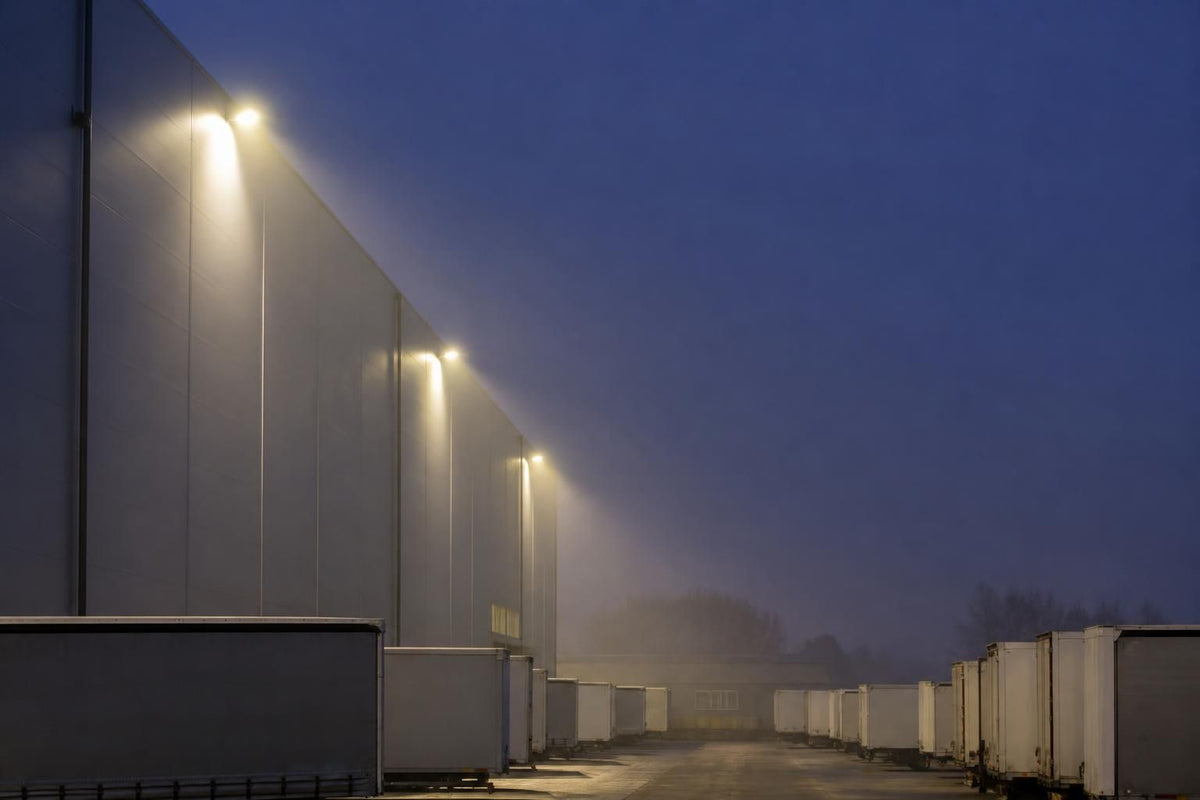
Proper illumination of building facades and expansive yard areas requires precise control over light distribution. The core metric for this control is beam spread. This measurement defines the angle at which light emits from a fixture. A narrow beam concentrates intensity on a small target. A wide beam disperses lumens across a broad surface area. Selecting the correct spread prevents wasted energy and ensures uniform coverage.
Facility managers must evaluate the distance between the mounting point and the target surface. Short distances often require wider spreads to avoid hotspots. Long distances demand narrower beams to maintain sufficient illuminance levels at the ground or wall. The MFL series of flood lights offers various optic configurations to match these specific geometric requirements. Understanding how candela distribution maps interact with physical space is essential for successful specification.
Incorrect beam selection leads to over-lighting certain zones while leaving others in darkness. This imbalance creates safety hazards and increases operational costs. It also contributes to light pollution, which many municipalities now regulate strictly. Proper aiming angles complement the chosen beam spread. The vertical and horizontal tilt of the fixture determines where the center of the beam falls. These two variables work together to define the final lighting design outcome.
Selecting Wattage and Lumen Output for Area Coverage
Wattage alone does not determine coverage area. Lumen output is the critical factor. Modern LED technology provides high lumen-per-watt ratios, allowing for significant energy savings compared to traditional HID sources. For large yard areas, higher wattage fixtures provide the raw lumens needed to cover square footage effectively. Lower wattage options suit smaller accent lighting tasks or narrow pathways.
Consider a standard commercial parking lot or loading dock area. These spaces require consistent foot-candles across the entire surface. High-wattage LED flood lights deliver the necessary intensity to meet these standards. The MFL fixtures available in our catalog offer scalable power options. This scalability allows specifiers to match the fixture output to the specific illuminance requirements of the project.
Lumen maintenance is another consideration. Quality LEDs retain their output over time better than older technologies. This longevity ensures that the initial aiming and spread calculations remain valid for the life of the installation. Degradation in light output would require frequent recalibration or premature replacement. Choosing efficient drivers and quality components mitigates this risk.
Color Temperature and Glare Control Strategies
Color temperature affects visibility and aesthetic appeal. Higher correlated color temperatures provide a cooler, whiter light that enhances contrast and detail recognition. Lower temperatures offer a warmer ambiance suitable for heritage buildings or residential-adjacent commercial zones. Most security applications benefit from higher CCTs due to improved human eye sensitivity in those ranges.
Glare control is paramount in facade lighting. Upward glare affects neighboring properties and violates dark sky initiatives. Downward spill light reduces pedestrian comfort. Shielding accessories help direct light precisely where it is needed. The accessory-shields collection provides solutions for various fixture types. These shields block stray light rays without significantly reducing overall lumens.
Proper aiming angles further reduce glare. Tilting fixtures too high can cause light to bounce off facades into the eyes of drivers or pedestrians. Keeping the vertical aim low ensures light stays on the target surface. Horizontal alignment prevents side spillage. Combining physical shielding with precise mechanical aiming creates a compliant and comfortable lighting environment.
Mounting Heights and Vertical Aiming Angles
Mounting height dictates the relationship between beam spread and coverage diameter. Higher mounts allow narrower beams to cover larger areas without excessive intensity at the center. Lower mounts require wider spreads to achieve similar coverage. The vertical aiming angle adjusts the point of maximum intensity along the target surface.
For facade illumination, the goal is uniform wash from top to bottom. This requires calculating the optimal tilt based on building height and fixture placement. Too steep a angle creates a bright band at the base with dark upper sections. Too shallow an angle misses the lower portions entirely. Precise calculation ensures even distribution across architectural features.
Yard lighting often involves multiple fixtures mounted at varying heights. Consistency in mounting protocols simplifies maintenance and aiming adjustments. Pole-mounted flood lights offer flexibility for large areas. Wall-mounted units suit tighter spaces or specific accent needs. The MFL series supports both configurations with appropriate hardware.
Horizontal Alignment and Overlap Management
Horizontal alignment determines how individual beams intersect. Overlapping beams fill gaps between fixtures. Insufficient overlap creates dark strips that compromise safety. Excessive overlap wastes energy and increases glare potential. Mapping the horizontal spread of each fixture against its neighbors is a critical design step.
Wide beam spreads reduce the number of fixtures needed for broad coverage but may lack punch at distance. Narrow beams require more units to eliminate shadows between them. Balancing these factors depends on budget constraints and aesthetic preferences. Specifiers must weigh initial costs against long-term operational efficiency.
Adjustable mounting brackets allow fine-tuning after installation. This flexibility accommodates minor site irregularities or post-installation vegetation growth. Fixed mounts offer a cleaner look but demand perfect pre-installation planning. Choosing the right mounting system affects both performance and maintenance ease.
IP Ratings and Environmental Durability
Outdoor fixtures face harsh conditions. Rain, snow, dust, and temperature extremes degrade poor-quality housings. Ingress Protection ratings indicate resistance levels. IP65 ratings provide protection against low-pressure water jets and complete dust tightness. Higher ratings like IP66 or IP67 offer enhanced security for coastal or industrial environments.
Thermal management ensures consistent performance in extreme heat or cold. Efficient heat dissipation prevents premature LED failure. Aluminum housings with integrated heatsinks manage thermal loads effectively. The MFL line features robust construction designed for year-round outdoor use without performance degradation.
Corrosion resistance matters in humid or salty air. Powder-coated finishes protect against rust and UV damage. Proper material selection extends fixture lifespan and reduces replacement frequency. Durability directly impacts total cost of ownership over the asset lifecycle.
Integrating Sensors and Controls for Efficiency
Static lighting wastes energy when spaces are unoccupied. Motion sensors activate lights only when presence is detected. This strategy reduces runtime and lowers electricity bills. Photocells ensure lights turn on at dusk and off at dawn, preventing daytime operation.
The accessory-sensors collection offers compatible devices for various fixture types. Wireless networks enable centralized control and monitoring. Smart lighting systems provide data on usage patterns and energy consumption. This information supports further optimization efforts and predictive maintenance schedules.
Dimming capabilities allow adjustments based on time of day or activity levels. Reducing output during low-traffic hours saves power without sacrificing safety. Integrated controls streamline installation by eliminating separate wiring runs for sensors and switches.
Planning for Year-End Budgets and Rebates
Capital budget cycles often conclude at year-end. Many organizations allocate remaining funds for facility upgrades during this period. Lighting modernization projects qualify as capital improvements that enhance property value and operational efficiency. Utilizing these funds supports sustainability goals and compliance with emerging regulations.
Utility rebate programs frequently have deadlines tied to fiscal years. These incentives offset upfront costs significantly. Checking local utility provider websites reveals available offers for LED conversions. Combining rebates with efficient fixture selection maximizes return on investment.
Early planning ensures timely procurement and installation before deadlines expire. Delays in supply chains can jeopardize project completion within the budget cycle. Engaging with manufacturers early secures inventory availability. The LED Flood Lights collection provides options suitable for various rebate criteria.
Proper documentation supports rebate claims. Keeping records of old fixture removal and new installation dates is essential. Detailed invoices and specifications help verify eligibility. Professional assistance can navigate complex application processes effectively.
Final Specification Checklist
Review the following points before finalizing your order:
- Confirm beam spread matches distance to target
- Verify wattage meets lumen requirements for area size
- Select appropriate CCT for visibility and aesthetics
- Choose IP rating based on environmental exposure
- Plan mounting height and aiming angles carefully
- Include sensors or controls for energy savings
- Check utility rebate deadlines and eligibility
- Order necessary accessories like shields or brackets
Accurate specification prevents costly retrofits. Professional lighting design software aids in visualization. Testing samples on-site verifies performance expectations. Collaboration between specifiers, contractors, and manufacturers ensures successful outcomes.
Upgrade your outdoor lighting infrastructure with precision-engineered solutions. Explore our full range of commercial fixtures designed for durability and efficiency. Visit the Outdoor Lighting collection to find the perfect fit for your facility needs.
Shop LED lighting at asd-lightingdirect.com or contact us for expert help choosing the right fixtures. All products include a 5 year warranty, and orders over $249 ship free.